
Welcome to SUN Dietetics
Sustainable • Unique • Nutrition
About
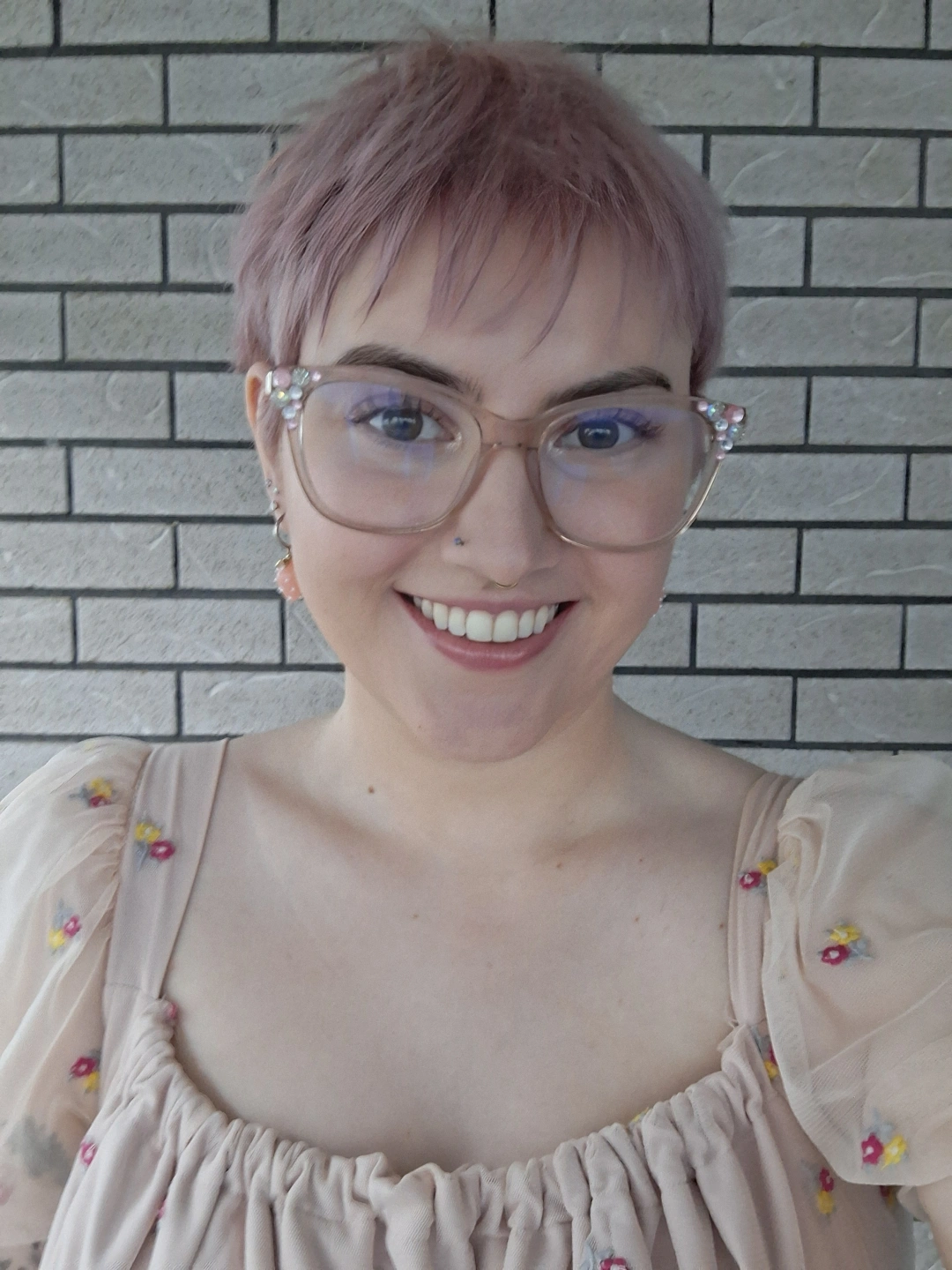
Hi, I'm Gabby, an Accredited Practising Dietitian and the founder of SUN Dietetics - Sustainable Unique Nutrition.
I believe nutrition should be individualised to you. There isn't one perfect way of eating, and nutrition advice is only useful if it works with your health needs, preferences, lifestyle and circumstances.
I'm particularly passionate about plant-forward nutrition, and helping people discover enjoyable and realistic ways to include more plant foods in their diet. You don't need to be vegetarian or vegan to benefit from eating more plants, and nutrition recommendations will always be adapted to the way you prefer to eat.
I like to joke that I'm a fibre artist in two different ways. I'm a big fan of dietary fibre, and all the foods that contain it. Outside of dietetics, I'm usually working with a different kind of fibre, sewing a new outfit, or turning yarn into my latest crochet or knitting project.
At SUN Dietetics, my goal isn't to give you a "perfect" diet. It's to help you find nutrition strategies that are evidence-based, achievable, and unique to you.

Approach
My approach focuses on making practical, sustainable changes using evidenced-based recommendations, rather than completely changing the way you eat. I encourage building a healthy relationship with food, with the addition of nutrient-rich foods, rather than restriction.
Together, we can identify what is already working, and where nutrition could better support your health. Depending on your goals and needs, nutrition support may include individualised nutrition education and strategies, meal planning, personalised recipes, dietary analysis, and practical ideas for making every day eating easier.

Weight-neutral approach
I recognise that body weight and nutrition don't always go hand in hand. Body weight is influenced by many factors beyond food intake alone, including genetics, hormones, medications, health conditions, sleep, stress, physical activity, and our environment.
My approach is weight-neutral wherever possible, with the focus placed on nourishing your body and supporting your health, rather than the number on the scales.
Body weight and weight history are assessed during the consultation to help build a complete clinical picture; however, you are in complete control of this process. Please advise if you prefer not to be weighed, wish to avoid discussing weight entirely, or prefer a blind weighing. If changing your weight is one of your personal goals or is clinically relevant to your care, we can still discuss and support this without making weight the primary measure of progress.
Any discussions surrounding weight will always be free from judgement.

Experience & Interests
I have experience supporting people with a broad range of nutritional needs, including but not limited to:
Type 1 and 2 Diabetes mellitus
Cardiovascular disease, including high cholesterol, heart failure, heart attacks and recent heart surgery
Healthy ageing
Gastrointestinal conditions and symptoms
Neurodiversity
Mental health
Women's health, including polyendocrine metabolic ovarian syndrome (PMOS), previously known as polycystic ovarian syndrome (PCOS)
Weight management
Metabolic associated fatty liver disease (MAFLD)
Chronic kidney disease, including dialysis
Oncology
Malnutrition, unintentional weight loss & poor appetite
NDIS & complex disabilities
Enteral nutrition
I also have professional interests in various conditions and the associated nutritional considerations, including women's health, PMOS, gastrointestinal conditions, neurodiversity and mental health, as well as:
Postural Orthostatic Tachycardia Syndrome (POTS)
Hypermobile Ehlers Danlos Syndrome (hEDS) and Hypermobile Spectrum Disorder (HSD)
Mast Cell Activation Syndrome (MCAS)
These are the areas I’m especially interested in and plan to contribute to in future research.
Frequently Asked Questions
Please email if you have any other enquiries
Sustainable Unique Nutrition.
Sustainability is the first priority (and letter) of SUN Dietetics. This means helping you make nutrition changes that are realistic and sustainable in your own life, while also considering environmental sustainability.
Unique, tailored interventions are central to SUN Dietetics. There's not one way to eat healthy; everybody's health and nutrition journey is unique, whether due to their health conditions, personal goals, culture, or food preferences.
SUN reflects reflect how I approach dietetics, but the sun itself has an extra meaning too.
The sun supports life and growth, just as good nutrition provides the foundations our bodies need to function, adapt, and thrive. It also helps with our nutrition by helping our bodies produce vitamin D.
Finally, I wanted SUN Dietetics to feel warm and positive. The warmth of the sun reflects the kind of environment I hope to create for my clients - friendly, welcoming, and free from judgement.
Together: nutrition that supports health and growth, respects individuality, considers sustainability, and brings a little warmth to the process.
SUN Dietetics is primarily a private billing practice; however, bulk billing may be available at my discretion for eligible Medicare-referred clients where cost may be a barrier to accessing dietetic care.
Bulk-billed appointments are shorter (20-30 minutes) and require an assessment form to be completed before your appointment. This allows us to spend more of our consultation discussing nutrition education and developing practical strategies for you.
Please advise before booking if you would like to discuss whether bulk billing may be available.
Yes, please let me know if there is anything that would make appointments easier or more accessible for you, which may include but is not limited to: bringing a support person, being provided with written interventions to refer back to, telehealth consultation, etc.
I understand that plans can change, and sometimes running late or missing an appointment is unavoidable. If you need to cancel or reschedule, please provide at least 24 hours' notice where possible so that the appointment can be offered to someone else.
If you're running late, please still get in touch. Depending on how late you are and my availability, we may be able to continue with a shorter appointment, switch to telehealth, or reschedule for later that day or another time. If you haven't arrived, I will generally try to contact you shortly after your appointment time to check whether you're still able to attend.
Appointments cancelled with less than 24 hours' notice, or appointments that are not attended and I am unable to contact you, may incur a cancellation fee, with consideration always given to unexpected illness, emergencies, disability-related barriers, or other circumstances outside of your control.
Before your first appointment
You do not need to prepare anything before your first appointment, unless you have been asked to complete an assessment form.
While not required, it can be helpful to complete a food diary, and to bring a copy of recent blood test results, medication/supplement list, and any relevant medical information.
During your first appointment
Your first appointment is an opportunity for me to get to know you, your health, your usual eating patterns, and what you would like help with. We may discuss your medical history, medications, blood tests, gastrointestinal symptoms, food preferences, lifestyle, and any barriers that make achieving your goal more difficult.
From there, we'll work together to decide on practical individualised nutrition strategies, with education and resources provided if relevant.
Definitely not! There's no judgement about what you currently eat, and you don't need to change anything before your appointment. Knowing what eating realistically looks like for you helps me provide recommendations that actually fit your life and are sustainable long-term.
Usually, no. I prefer an add rather than subtract approach wherever possible and don't believe foods need to be labelled as “good” or “bad”. There are some medical conditions where particular foods may need to be limited or avoided, but I'll explain why and work with you to maintain as much variety and enjoyment as possible.